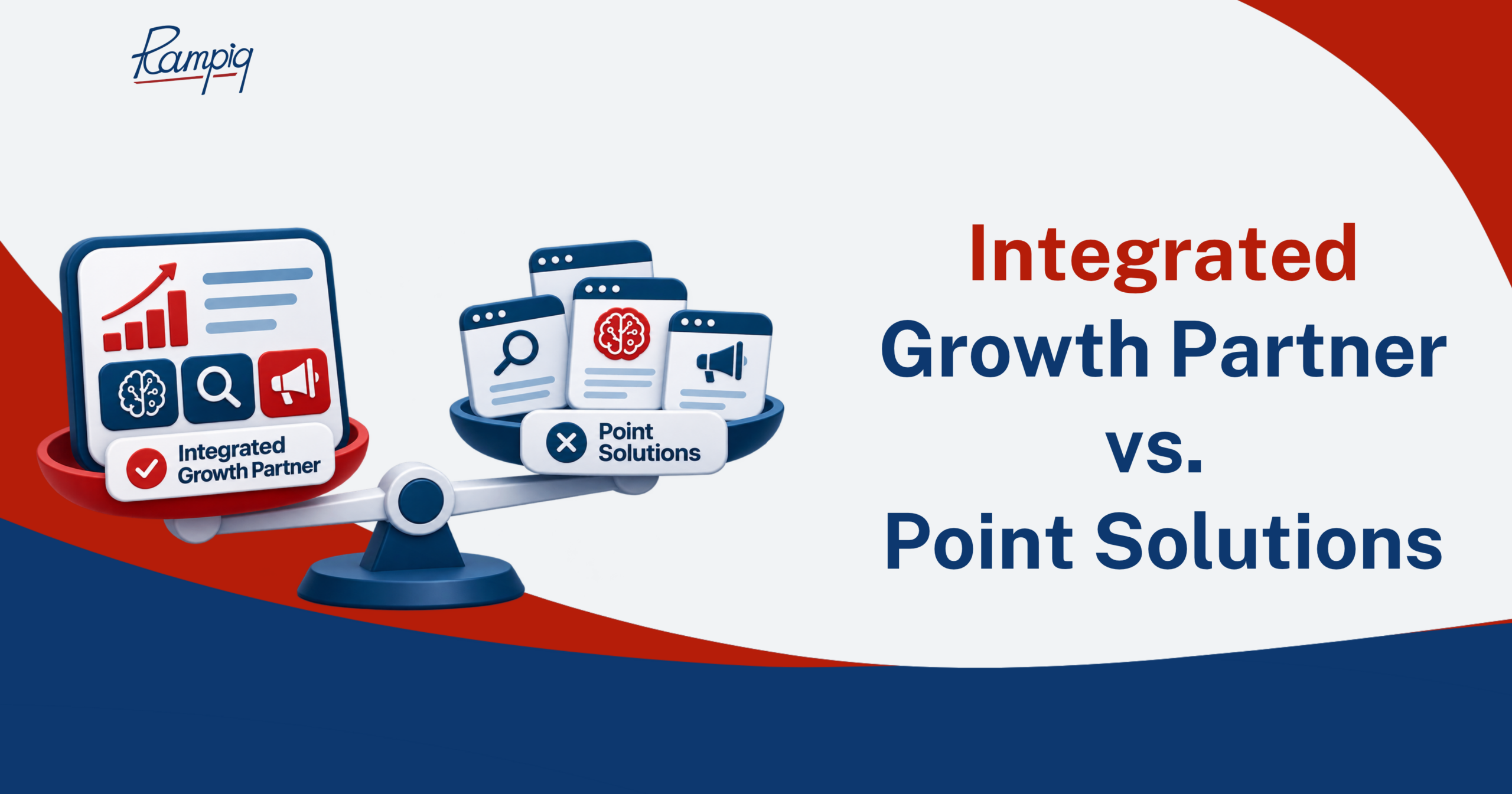
If qualified pipeline is the number your board watches, buy an integrated growth partner for AI Search, SEO and paid media. Keep point solutions for a single channel gap your in-house team can’t cover.
Separate vendors each optimize their own channel. Nobody owns the pipeline number between them.
After Rampiq overhauled Avassa’s keyword strategy and restructured its LinkedIn Ads for the same buying roles, organic conversions grew 89% year over year (Rampiq case study, one client, after a website migration).
Quick answer: An integrated growth partner runs AI Search, SEO and paid media under one plan and one attribution model. Qualified pipeline is tracked end to end. Point solutions are single-channel vendors that report on their own channel.
Choose integrated when two or more channels feed the same pipeline target. Choose a point solution when one channel is the only gap and your team already runs the rest.
What is an integrated growth partner, and what is a point solution?
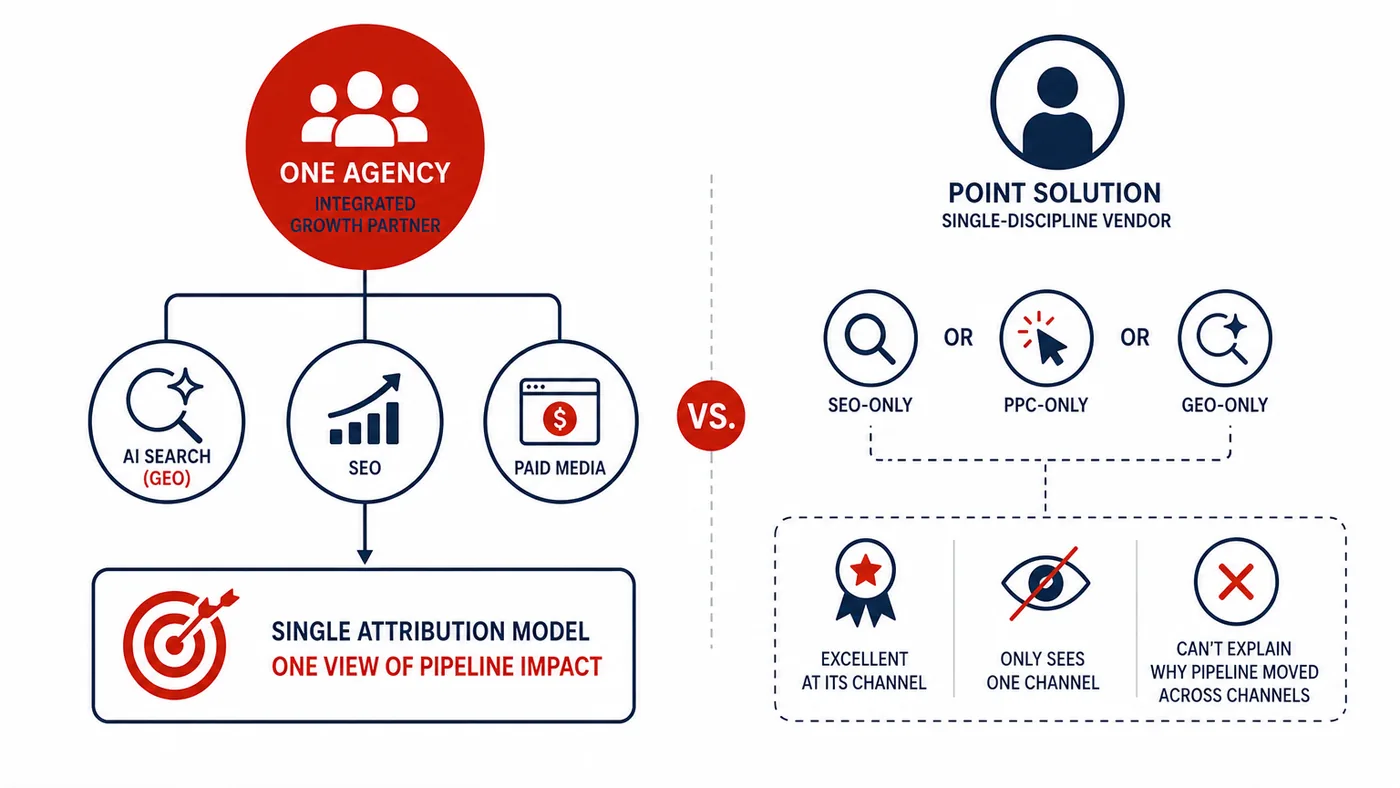
An integrated growth partner is one agency running AI Search (GEO), SEO and paid media under a single attribution model. Pipeline gets tracked from first touch to opportunity, not stitched together from vendor reports.
A point solution is a single-discipline vendor: SEO-only, PPC-only or GEO-only. It can be excellent at its channel. It can’t explain why pipeline moved across channels. It only sees one.
Both models get judged on qualified pipeline. An MQL is a lead marketing scored as interested. Qualified pipeline means SQLs and opportunities that sales accepted, and how many of them turn into revenue.
Revenue attribution is how you credit that pipeline to the channels that produced it. Coordination cost is what you spend making separate vendors behave like one team.
What does running separate SEO, PPC and GEO vendors really cost?
Your vendor stack may still be producing leads. It just makes your team the only place where the whole picture exists.
The retainers are the visible cost. The coordination cost lands in four less visible places:
Three vendors send three dashboards built on three attribution models. Someone on your team merges them into one pipeline number before every board meeting.
Channel claims overlap. The PPC vendor and the SEO vendor both count the same SQL, so the vendor totals add up to more pipeline than your CRM shows.
Paid and organic target the same queries without a shared plan. Landing pages get edited by whoever touched them last.
AI Search work lands on the pages SEO already owns. Google states there are no special optimizations needed to appear in AI Overviews and that SEO best practices still apply, so a separate GEO vendor and SEO vendor are working on the same pages without a shared plan.
Three dashboards ≠ one pipeline number.
The attribution gap widens as answers move into AI. Pew Research Center found Google users clicked a traditional result on 8% of visits when an AI summary appeared. Without one, it was 15% (900 US adults, March 2025 browsing data). A vendor that reports clicks reads that as decline.
The buyer may still have seen your brand in the answer and booked a demo a week later.
Integrated partner vs point solutions: what are you actually buying?
You’re buying an accountability structure as much as a list of services. Price matters, but it doesn’t tell you who answers for pipeline.
Dimension
Integrated growth partner
Point-solution stack
Attribution
One model from AI citation to SQL and opportunity
Each vendor reports its own channel, and overlaps double-count
Speed to pipeline
Channels planned together, so paid can test what organic is building
Gated by handoffs between vendors and your team
Accountability
The partner owns a shared pipeline target with you
Each vendor owns a channel metric, you own the pipeline number
Page ownership
One team owns the page and the brief
SEO, GEO and paid landing pages edited by different teams
Depth per channel
Depends on the partner’s bench in each channel
Highest, if you hire the best specialist in each
Your team’s load
Strategy input and approvals
Briefing, reconciling and arbitrating
The depth row is the honest trade-off. A top specialist can beat a generalist inside one channel.
Integration pays when the win comes from channels feeding each other. LinkedIn Ads show which buying roles convert, and the SEO and AI Search content gets written for those same roles. A point-solution stack can do this too. Someone on your side just has to run the handoff every month.
When is a point solution the right call?
A point solution is the right buy when one channel is the only gap and your team already runs the rest well.
Integrated isn’t the default answer for every B2B tech company. Point solutions fit when:
Your in-house team runs SEO and content well. You need paid media expertise you don’t have.
You have one time-boxed problem, such as a technical SEO recovery after a migration or a one-off AI Search audit.
A marketing ops lead already owns attribution across channels and can hold every vendor to one pipeline model.
Your budget covers one channel properly or three channels thinly. One channel done properly wins.
Hire an integrated B2B growth partner when two or more channels feed one pipeline target. The second condition: nobody inside owns cross-channel attribution. The warning sign is your team spending more time reconciling vendor reports than acting on them.
How do you tell a real integrated partner from a bundle?
Plenty of agencies list SEO, PPC and GEO on one services page. Some still run them as separate teams with separate reports. That’s point solutions on one invoice.
Ask four questions before you sign:
Can you show one dashboard where AI visibility, organic and paid sit next to SQLs and opportunities? If the answer is three exports, it’s a bundle.
Who decides when SEO and paid want different changes to the same landing page?
Which attribution model do you report on, and does it match what sales sees in the CRM?
Can you show a case where one channel’s data changed another channel’s plan?
Apply the same test to every agency’s case studies, ours included: is the result one client or typical, and against what baseline? If you’re still building a list, see the full agency shortlist and our roundup of the best AI search agencies for B2B.
How does Rampiq’s integrated model tie to pipeline?
Rampiq is our agency, and the four questions above apply to us too.
Rampiq runs AI Search, SEO and LinkedIn pipeline programs for B2B SaaS and IT companies under one engagement structure with five stages:
Discover: an AI Search + GEO Audit of how LLMs describe your brand and which of your pages appear in AI Overviews.
Elevate: re-engineering existing content and schema for AI Overviews and LLM citations, rather than publishing more pages.
Activate: LinkedIn Ads programs with offer-led campaigns for warmer, segmented audiences.
Measure: one reporting layer connecting Google Analytics, CRM, LinkedIn Ads and AI visibility data. It reports SQLs, meetings booked and opportunities opened.
Enable: a senior strategist, playbooks and done-for-you briefs for your in-house team.
On the organic side, the work runs in sprints: strategy, then an SEO and reporting foundation, then content sprints. Here’s how the pipeline engine works.
An SAP-solutions provider reports that PPC produced 40% of its total sales pipeline. Its PPC leads converted to sales-accepted leads at 23% (Clutch review, one self-reported result).
The work behind it was a LinkedIn and Google Ads restructure plus a service-page redesign. Ask any agency for that pair: share of pipeline, and lead-to-SAL conversion. More results from integrated engagements sit on the case studies page.
First meaningful signals typically show within 60 to 90 days, and revenue-attributable traffic typically compounds between months 4 and 9. That’s a typical window, not a promise.
Are AI tools recommending your competitors instead of you?
Understand how AI platforms describe your brand vs. your competitors and the exact steps to flip those results.
How much do separate SEO, PPC and GEO vendors cost compared with one partner?
There’s no fixed ratio. Retainers vary with scope. Add every retainer, then add the internal hours your team spends briefing vendors and reconciling their reports. That internal time belongs in the comparison too.
What are the downsides of a full-funnel B2B marketing agency?
The main downside is uneven depth: a full-funnel B2B marketing agency can be strong in two channels and thin in a third. You also concentrate dependence on one partner. Ask for channel-specific case studies and the named lead for each channel before you sign.
About the author
Liudmila Kiseleva
Liudmila is one of the best-in-class digital marketers and a data-driven, very hands-on agency owner. With top-level education and experience, Liudmila is a true expert when it comes to digital marketing strategies and execution.
One integrated growth partner or separate SEO, PPC, and GEO agencies? Compare costs, accountability, and pipeline measurement, and see when each model makes sense for your B2B business. Plus, what to check before choosing an agency.
Stalled B2B deals aren't always lost opportunities. See how to identify why deals stop moving, re-engage decision-makers through targeted outreach and LinkedIn Ads, and bring qualified opportunities back into your sales pipeline.
Your existing blog archive could be a source of AI citations without adding more content. See how to audit old posts, decide what to merge, retire, or refresh, and restructure pages for AI Search while protecting existing SEO rankings.
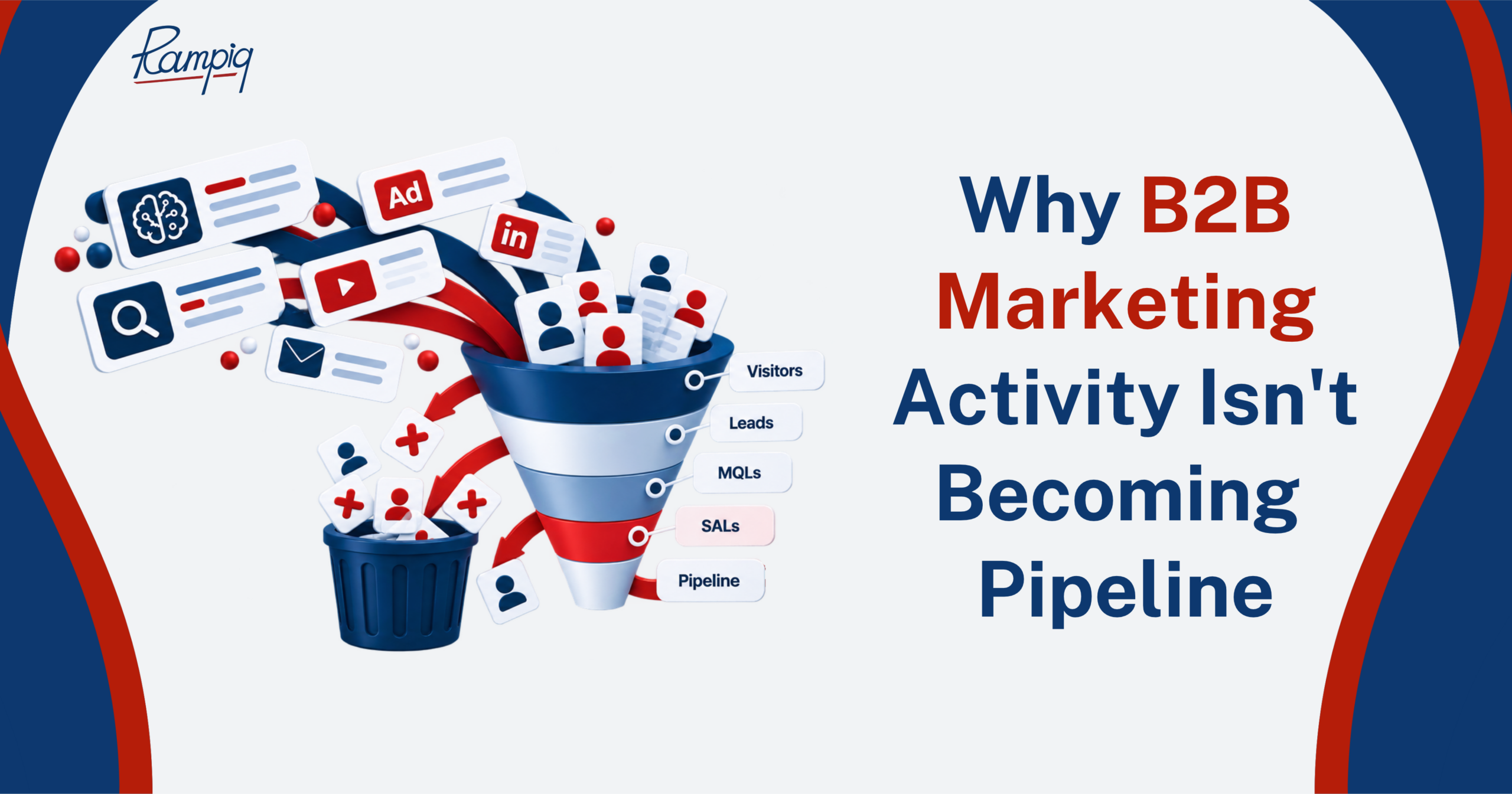
More traffic and leads don't always mean more qualified pipeline. See where B2B leads drop off, why marketing and sales qualification often don't align, and how to measure AI Search, SEO, and paid media against the right buyer stages.
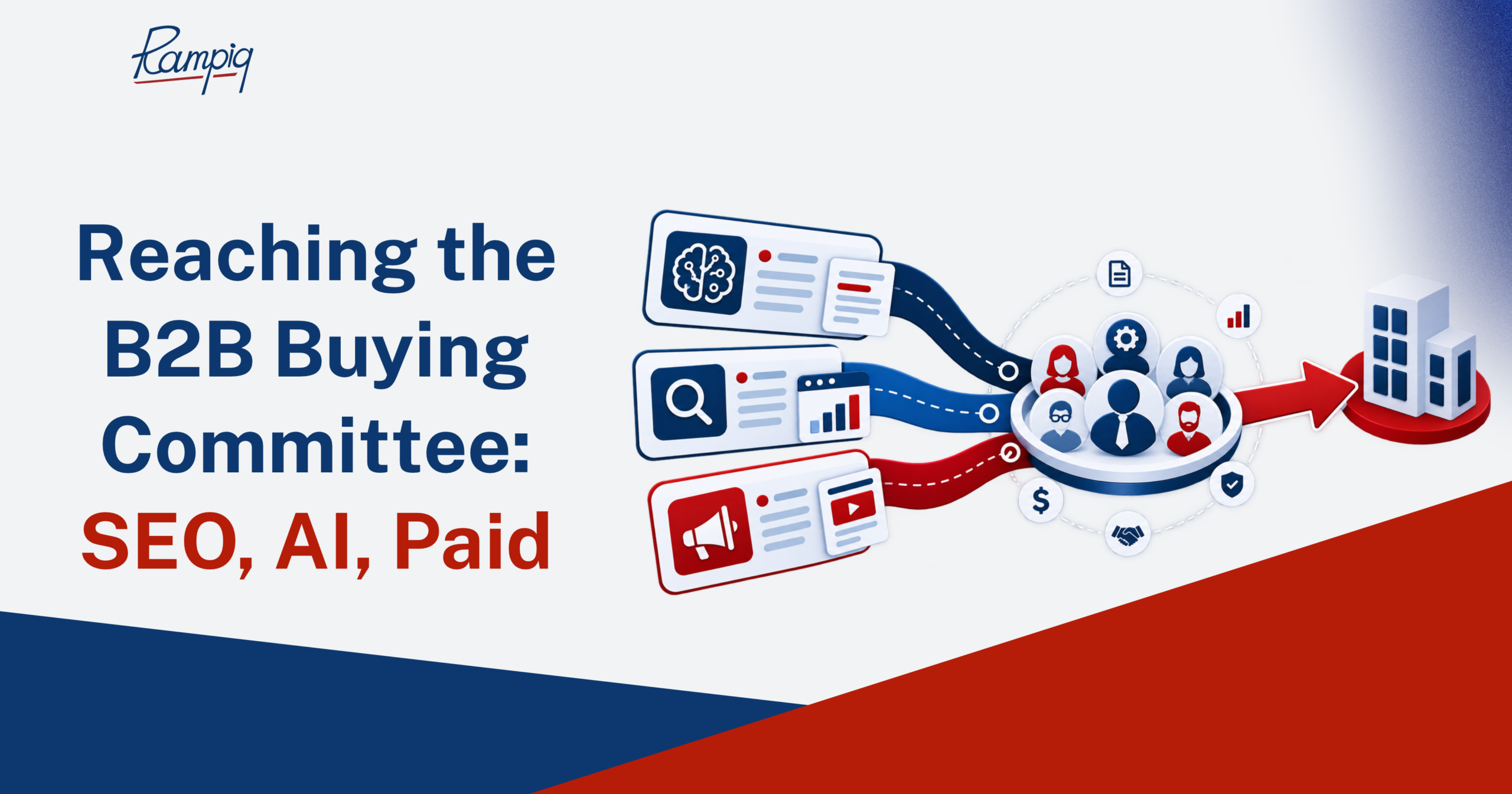
Learn how to reach B2B buying committees by combining AI Search, SEO, and paid media. See how to target different decision-makers, coordinate channels across priority accounts, and avoid overlapping spend, with real client examples.
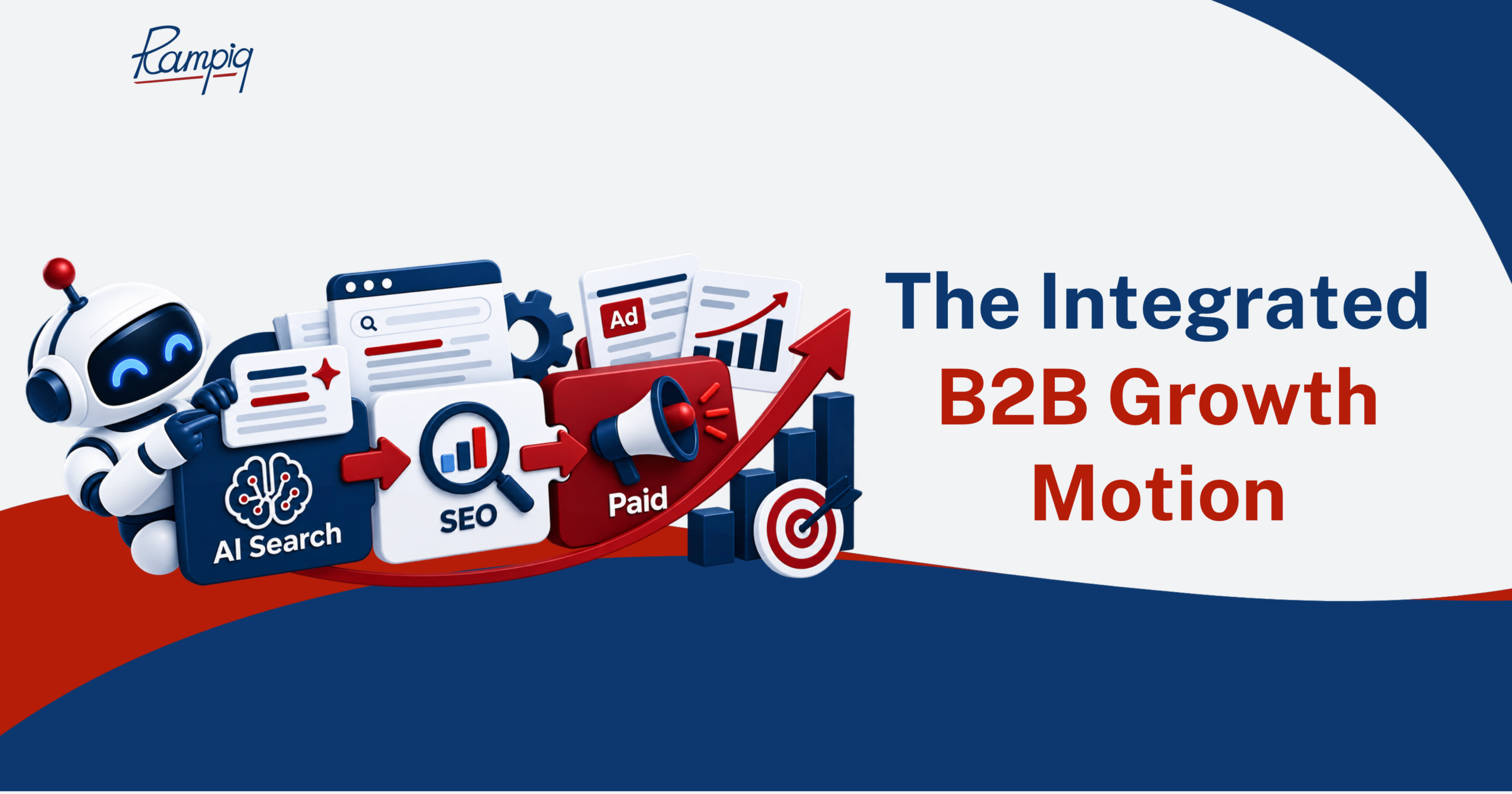
Learn how AI Search, SEO, and paid media work together to generate qualified B2B pipeline. See how to sequence these channels, measure their contribution to sales opportunities, and avoid common mistakes, with real client results.